
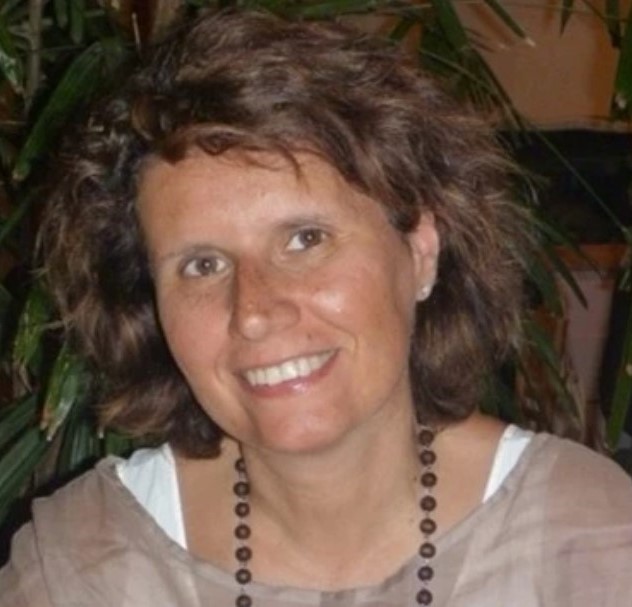
Graziella Cappelletti
Project coordinator and partner 1
Professor of Human Anatomy
University of Milan
Milan, Italy
Contact: graziella.cappelletti@unimi.it
The Cappelletti group is interested in understanding the molecular mechanisms of neurodegeneration in synucleinopathies including Parkinson’s disease. Spanning from cellular and animal models to human tissues, the focus of the lab is on the physio-pathological role of alpha-synuclein, its interaction with target proteins, and its aggregation processes. Recent interest of the group is in discovering reliable biomarkers for the disease in peripheral tissues. In the context of the DEEPEN-iRBD, Cappelletti’s group will analyse patients’ bio-samples, specifically skin biopsies, to reveal alpha-synuclein aggregates that, together with clinical data, will enable to stratify high risk iRBD individuals for conversion into different types of alpha-synucleinopathies.
Rejko Krüger
Project partner 2
Professor of Clinical and Experimental Neuroscience at the University of Luxembourg
Contact: rejko.krueger@uni.lu
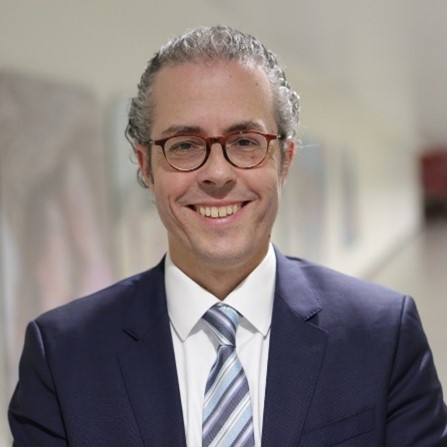
The Translational Neuroscience group, led by Prof Rejko KRÜGER (Prof. Dr. med.), is bridging the gap between fundamental research and clinical care, to help citizens affected by neurodegenerative diseases via earlier diagnosis, precision therapies and effective prevention in Luxembourg and beyond. Fundamental research focuses on patient-based induced pluripotent stem cells (iPSC)-derived neuronal models to elucidate the molecular and cellular alterations contributing to neurodegeneration in familial and idiopathic forms of Parkinson’s disease (PD), Dementia with Lewy bodies, atypical parkinsonism, and in amyotrophic lateral sclerosis (ALS). Newly discovered molecular targets and disease-associated cellular phenotypes are subject to drug screening in order to identify molecules that, after in vitro and in vivo validation, are used to develop precision medicine strategies for translation into future treatments and care. The clinical research focus is part of the National Centre for Excellence in Research on Parkinson’s Disease (NCER-PD), an initiative of the Luxembourg National Research Fund (FNR; FNR/NCER13/BM/11264123). People with neurodegenerative diseases, people at risk for neurodegeneration, and healthy subjects from Luxembourg and the Greater Region are recruited for cohorts and can directly contribute to translational research. In the context of the DEEPEN-iRBD, people with a sleep disorder, REM sleep behavior disorder, substantially contribute to the research focus of this EraPerMed project for characterizing prodromal stages of alpha-synucleinopathies by molecular, cellular and clinical research strategies. The team at the University of Luxembourg is involved in secured data management, and dissemination, as well as clinical and molecular approaches to analyse clinical data and biological samples from i) patients previously diagnosed with iRBD through the Luxembourg-wide “REM-Sleep Behaviour Study” and ii) participants of the Luxembourg Parkinson Study (www.parkinson.lu), both cohorts established within the NCER-PD coordinated by Rejko Krüger. Based on the expertise of the Translational Neuroscience group, iPSC-based cellular models of prodromal PD will be established from fibroblasts of people with iRBD and functionally characterized based on alpha-synuclein seed aggregation propensity and mitochondrial homeostasis.
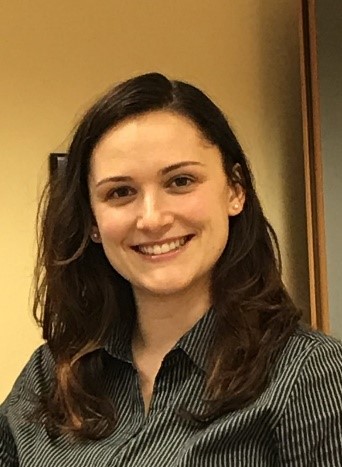
Beatrice De Maria
Project partner 3
IRCCS Istituti Clinici Scientifici Maugeri
Milan, Italy
Contact: beatrice.demaria@icsmaugeri.it
The ICS Maugeri Bioengineering Laboratory is dedicated to the investigation of the cardiovascular and cardiorespiratory neural regulation in chronic and disabling diseases. The research activity is carried out through acquisition and application of advanced biomedical signal processing techniques to investigate the mechanisms underlying cardiovascular and cardiorespiratory dysfunction in diseases.
In the context of the DEEPEN-iRBD, ICS Maugeri will evaluate the cardiovascular neural control in iRBD patients from the polysomnographic recordings. From electrocardiogram, arterial pressure and respiratory signals, indices linked to the cardiovascular neural control with a precise and validated physiological meaning will be derived and tested in the stratification of the risk for conversion into different types of alpha-synucleinopathies in iRBD individuals. ICS Maugeri is also involved in the study of ethical and social aspects related to communication and screening of people at risk in a prodromal stage.
Mauno Vihinen
Project partner 4
Professor of Medical Structural Biology
Lund University
Lund, Sweden
Contact: mauno.vihinen@med.lu.se
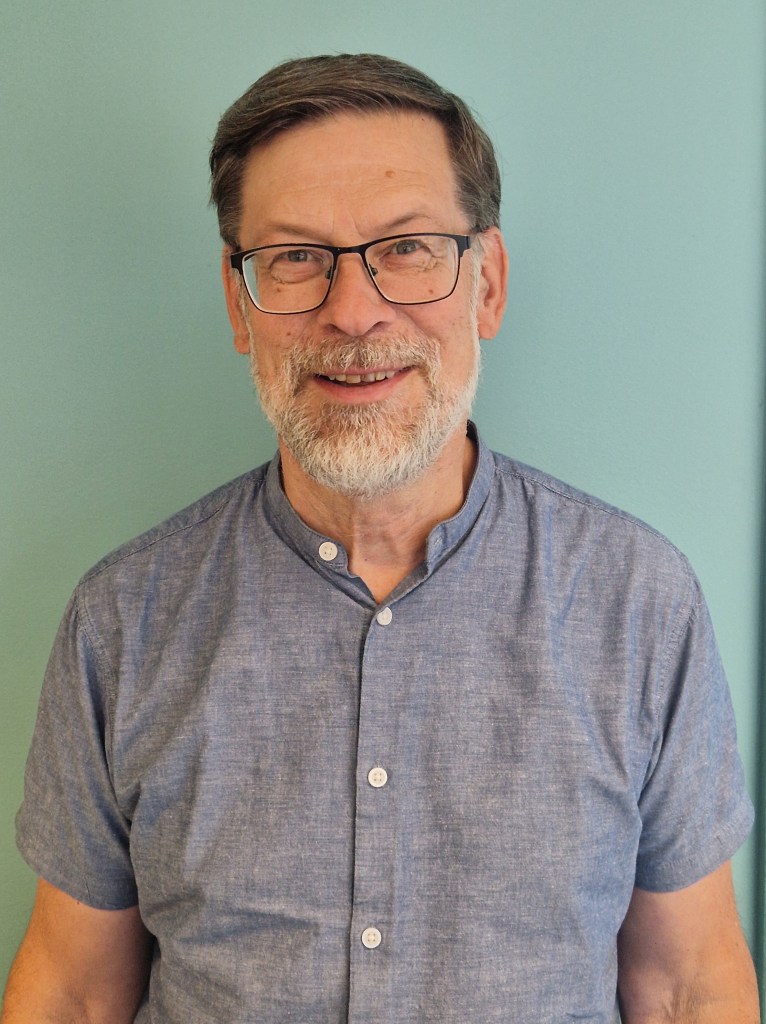
Mauno Vihinen is Professor of Medical Structural Biology at Department of Experimental Medical Science, Lund University, Sweden since 2012 http://structure.bmc.lu.se. Before moving to the current position he was years 1998-2012 Professor of Bioinformatics at Institute of Medical Technology, University of Tampere, Finland and 2006-2012 Head of the International Master’s Degree Programme in Bioinformatics, University of Tampere. He was the first professor in bioinformatics in the Nordic countries. His research interest is to understand mechanisms of disease-associated variations at different levels (DNA/RNA/protein, structure/function/interaction/etc). The team has applied and developed widely used and highly accurate bioinformatic tools. Prof. Vihinen has developed benchmarks and guidelines for reporting performance of computational prediction methods. We have developed Pathogenicity model, a new system for defining disease and health. In this project we will implement the model to PD and RBD. The model is based on heterogeneity in disease phenotype and will facilitate e.g. early diagnosis and prognosis of PD and RBD. The model will be made freely available for clinical and research communities.
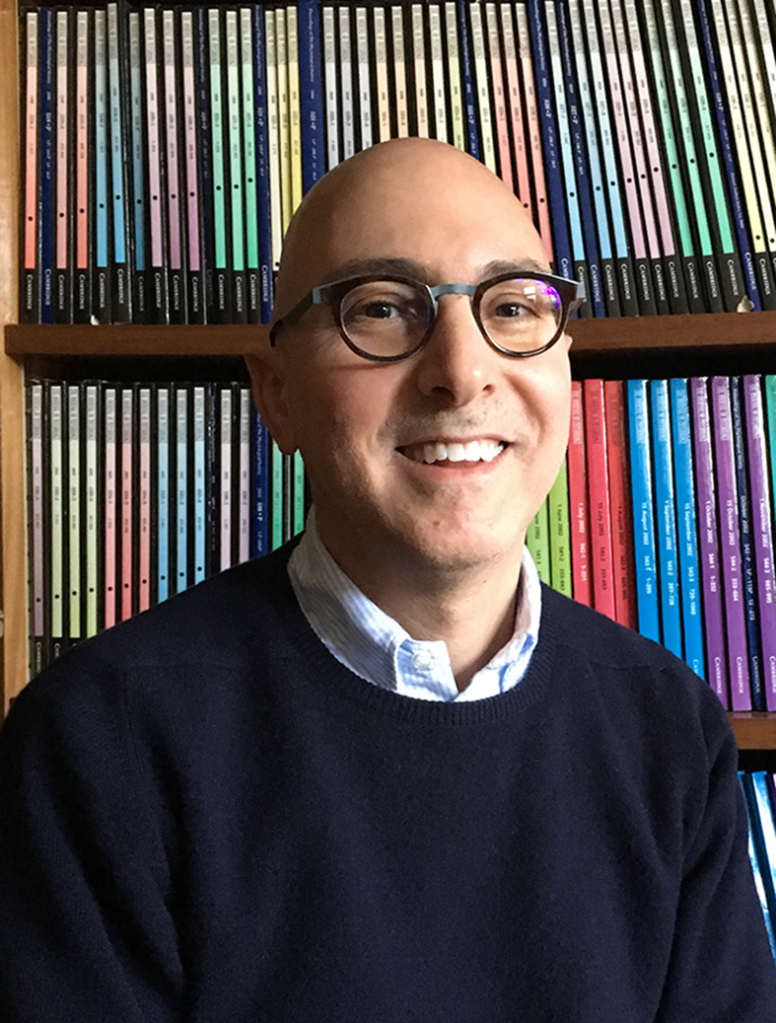
Ronald Melki
Project partner 5
Director of Research
Commisariat à l’Énergie Atomique et aux énergies renouvelables
France
Contact: ronald.melki@cnrs.fr
The Melki group is focused on understanding the contribution of protein aggregates propagations to neurodegenerative diseases progression and the relationship between those protein aggregates structure and the nature of disease. The group uses state-of-the-art biochemical, biophysical, proteomic, structural and cell biology techniques to assess the aggregation of proteins involved in neurodegenerative diseases and their traffic between neuronal cells, e.g. export from affected cells, binding to unaffected cells membranes, internalization and multiplication within the latter cells. The group laid down the molecular basis for different synucleinopathies by generating structurally distinct aggregates of the protein alpha-synuclein and strengthened the concept by amplifying in vitro aggregated pathogenic alpha-synuclein from patient suffering from distinct synucleinopathies and showing they are structurally distinct. In the context of the DEEPEN-iRBD, Ronald’s group will fingerprint aggregated alpha-synuclein in patients’ bio-samples to identify molecular signatures of different synucleinopathies enabling, with clinical data, prediction of iRBD patients conversion into different synucleinopathies.
Céline Galvagnion
Project partner 6
Associate Professor
Faculty of Health and Medical Sciences
University of Copenhagen
Denmark
Contact: celine.galvagnion@sund.ku.dk
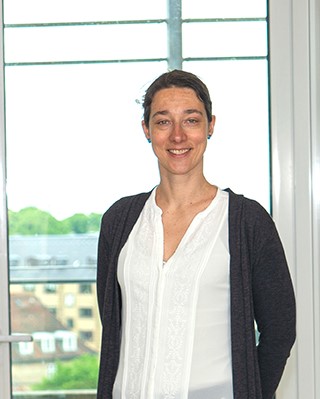
The Galvagnion group is interested in understanding the role of disruptions in lipid metabolism in the emergence and spreading of neurodegenerative disease pathology. In particular, the group uses a multidisciplinary approach at the interface between biology and biophysics including the study of different disease cellular models and the characterization of protein-membrane interactions and aggregation at the molecular level. In the context of the DEEPEN-iRBD, Céline’s group will analyse patients’ bio-samples to reveal a molecular signature that, together with clinical data, will enable to stratify high risk iRBD individuals for conversion into different types of alpha-synucleinopathies.
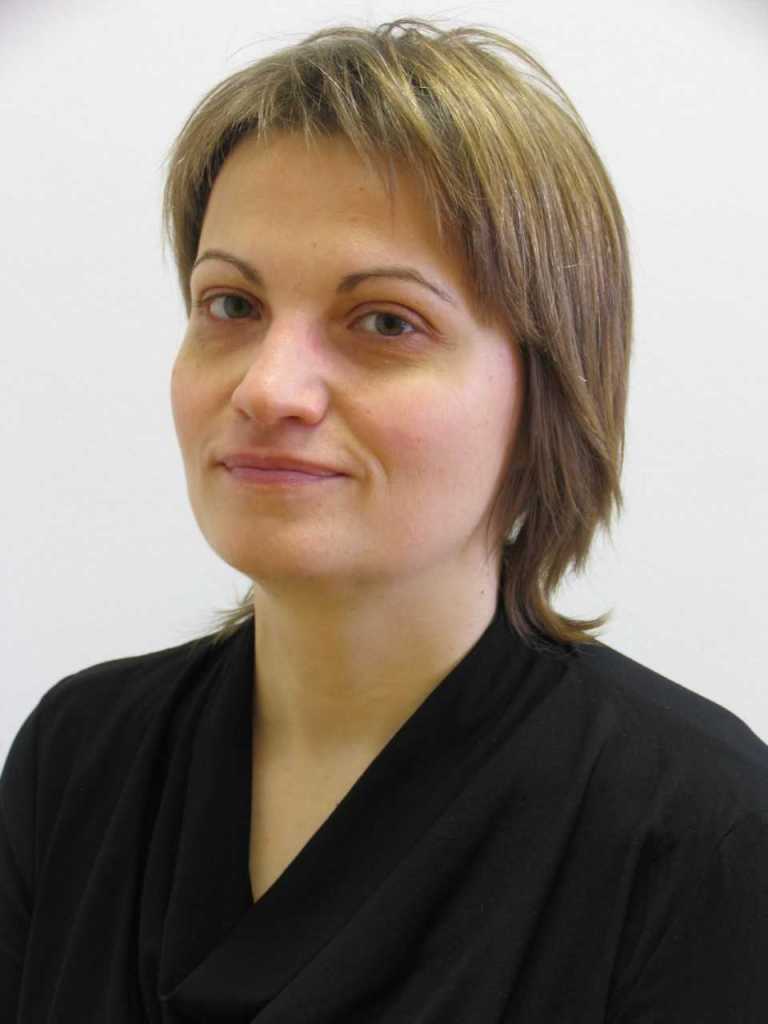
Ana Borovecki
Project partner 7
Professor
School of Medicine
University of Zagreb
Croatia
Contact: abor@mef.hr
The WP5 activities will be developed along with three interlinked objectives:
1) identify clinical and ethical dilemmas concerning iRBD patients’ decision-making power also concerning individuals’ risk stratification (low/high risk);
2) develop strategies for communication of phenoconversion information to patients and to analyze attitudes of families on care processes (Personalised communication: the right message for the right patient at the right time);
3) define a possible strategy for implementation of a preventive population screening for iRBD patients also considering the balance between citizens’ and patients’ rights and research needs.
Focus groups-participants patients and providers, professionals and caregivers will be conducted. Communicating risk is an important ingredient in primary, secondary, and tertiary prevention. The discussion will explore general risk communication issues, routine practice, and communication tools. The final objective of the research team will be the development of a training program “Personalised Communication for iRBD patients” that will offer healthcare professionals and researchers the opportunity to learn new skills to communicate in a more personalized way important clinical information.
 DEEPEN-iRBD